

About the event
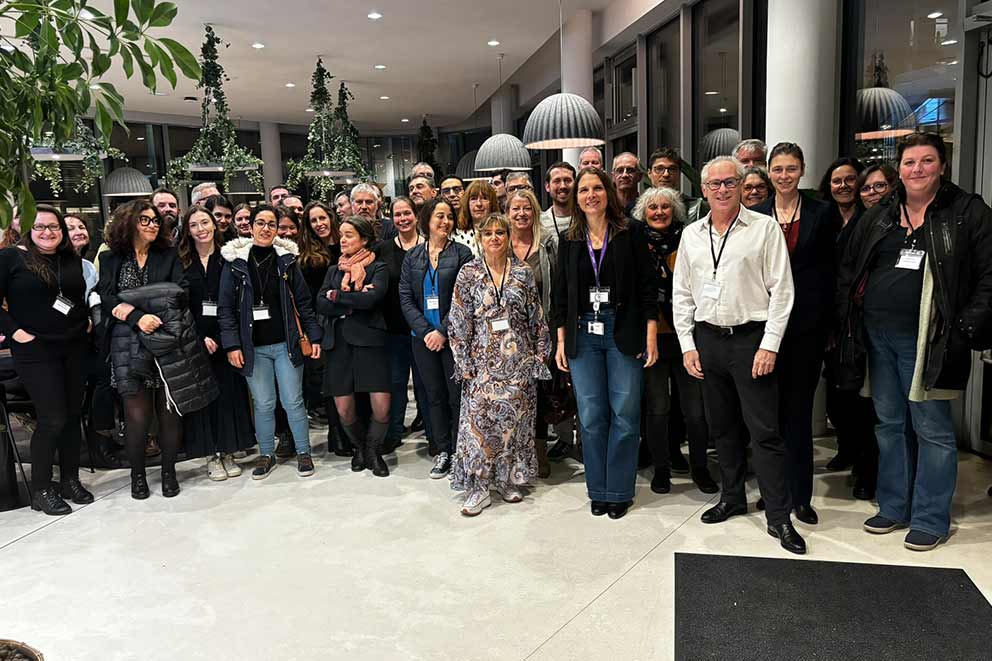
In November 2024, the RSPCA’s latest international “Focus on Severe Suffering” meeting took place at Sanofi in Gentilly, organised in collaboration with FC3R, AFSTAL, GIRCOR, OPAL, Sanofi, RN-SBEA, RN-CEEA, and DCL Solutions. The one-and-a-half-day meeting featured case studies of refinements, guidance on how to use the RSPCA Roadmap to reduce severe suffering, and the role of Animal Welfare Bodies (AWBs).
Summary
Short summary
The RSPCA's 'Roadmap' approach enables establishments to reduce and avoid severe suffering in animal research, focusing on inherently severe models, cumulative effects, and mortality. France is actively working to reduce such suffering, establishing a new working group to assess and report on severity.
Key areas of concern in France include neuroscience, immunology, cancer research, and monoclonal antibody production. The first session of the meeting addressed cancer research, exploring refinements including humane endpoints and tailored welfare indicators. Replacement strategies included 3D tumour models, while reduction initiatives involved serial sampling and the Single Mouse Trial (SMT). Digital technologies were also discussed to improve humane endpoint management and refine protocols. The second session focused on neuroscience research, presenting refinements to surgical techniques and improving the welfare of macaques and rats used in Parkinson's disease research. The third session covered cardiovascular research, exploring less invasive models and minimizing tissue damage in zebrafish and mice.
AWBs play a crucial role in monitoring animal welfare, reviewing the 3Rs, and advising on minimising suffering. Effective communication between researchers and AWB members is essential for identifying and implementing refinements. France's national AWB network, RN- SBEA, supports AWBs by providing resources and training. The Keynote presentation was on compassion fatigue in human healthcare, which has many parallels with the compassion fatigue experienced by those caring for, and working with, laboratory animals - especially if severe suffering is involved. Sanofi, which hosted the event, is reducing animal use in antibody discovery and optimizing antibody diversity per animal. Its Integrated Research and Testing Strategy (IRTS) aims to cut animal usage by 50% by 2030 and move beyond the 3Rs to more effective and humane models.
Day 1: Introduction
Barney Reed opened the meeting with an overview of the RSPCA's "Focus on Severe Suffering" initiative and its progress since its launch in 2012. This initiative enables the international scientific community to identify and promote practical steps to reduce and avoid severe suffering in animal research and testing. Key objectives include refining animal models to reduce and avoid severe suffering, whilst ensuring that any use of severe procedures is justified by robust ethical discussions and compelling scientific rationale. This has helped to achieve a 67% reduction in severe experimental procedures in the UK since 2014. The RSPCA initiative includes expert working group reports with guidance on refining severe procedures, a step-by-step Roadmap to systematically reduce suffering in any type of procedure, and annual UK and international events to facilitate knowledge-sharing and approaches around reducing severe suffering. This year’s meeting in France is particularly relevant, as severe procedures accounted for 13.1% of animals used in research in the country in 2022, amounting to 214,430 animals.
Christophe Joubert from the French Ministry for Research provided an overview of how statistical data collection in France is being used to monitor trends in severe suffering and guide reduction efforts. He noted a positive trend of year-on-year decreases in the proportion of severe suffering in animal procedures. Confidence in the accuracy of data reporting is a top priority. To support this, France offers specific training and webinars on data collection and reporting, with a focus on distinguishing between predicted and observed severity. Christophe announced the formation of a new working group on severity assessment and reporting, involving the National Committee, FC3Rs, and the Ministry for Research. Key research areas in France where severe suffering is most prevalent include research on the nervous system, immune system, and cancer. Monoclonal antibody production by the ascites method was also highlighted as a significant concern. A targeted transition plan is in place to address this, with reductions anticipated in forthcoming years. Next steps include sharing the 2023 data with the National Committee and FC3Rs working group for analysis and developing strategies to further reduce severe suffering in all the critical areas listed above.
Session 1: Case Studies in Cancer Research
Céline Nicolazzi from Sanofi opened the "Case Studies in Cancer Research" session, presenting on all 3Rs in oncology clinical trials. Refinements include defining appropriate humane endpoints, conducting pilot studies on novel tumour cell lines or procedures, and monitoring adverse effects using tailored welfare indicators and assessment sheets. These efforts have reduced the retrospective estimate of animals used in severe procedures to 7%. Replacement strategies explore alternatives such as 3D tumour models to reduce reliance on animals, while reduction initiatives include techniques like serial sampling, longitudinal imaging, and the Single Mouse Trial (SMT). Céline highlighted the SMT’s ability to significantly lower the number of animals used in testing while enabling broader, more representative evaluations of patient responses. Traditional approaches often rely on small mouse cohorts, limiting the diversity of genetic and phenotypic representation. In contrast, the SMT uses one mouse per Patient-Derived Xenograft (PDX) model per treatment arm, facilitating larger screenings without increasing animal use. The SMT reliably identifies highly active (or inactive) compounds across tumour model panels and supports investigations into promising candidate compounds, new indications, or optimal drug combinations. Céline explained that a conventional setup to evaluate six compounds in a single model would require 42 animals, whereas the SMT achieves this with just seven mice. Furthermore, the SMT reduces suffering by eliminating the need for untreated control tumours, as each treatment arm begins when tumours reach the desired size, improving efficiency while reducing animal use and better representing heterogeneous patient responses.
Next, Els Hermans from the Netherlands Cancer Institute presented on the challenges of implementing refinement in in vivo cancer studies, highlighting that existing guidelines, such as PREPARE and ARRIVE, lack detail on standardised approaches for refinement during experiments. This gap often leads to generic methodological reporting that poorly reflects efforts to monitor cancer-specific pathologies. While reduction and replacement under the 3Rs framework have seen progress, refinement remains more difficult to achieve in this field. To address this, the Oncology Best-practices: Signs, Endpoints and Refinements for in Vivo Experiments (OBSERVE) guidelines were developed through a European initiative. These guidelines provide practical recommendations for researchers and animal technologists and care staff, offering cancer-specific clinical signs as reference points for welfare assessments. The guidelines systematically address key aspects of cancer research, including the preparation and refinement of tumour-implantation methods, monitoring clinical signs of tumour growth, implementing humane endpoints, and assessing severity in relation to tumour characteristics. The guidelines aim to improve the design and execution of cancer studies in mice by promoting comprehensive refinement and monitoring practices.
Finally, Pierre Lainée from Sanofi discussed the integration of digital technologies in rodent facilities to reduce suffering in tumour-implanted animals, by enabling more effective monitoring. Pierre highlighted the implementation of 24/7 digital monitoring tools that detect activity changes, especially during rodents’ nocturnal active periods. Continuous monitoring enables earlier detection of clinical signs and adverse effects, such as changes in locomotor activity. This has been demonstrated to precede body weight loss in mice implanted with tumours, potentially offering more predictive and sensitive welfare indicators. These technologies enhance the ability of investigators and veterinarians to manage humane endpoints, refine experimental protocols, and improve veterinary care.
Session 2: Case Studies in Neuroscience
The next session “Case Studies in Neuroscience” was opened by Ester Perez Martin from Neuroscience Innovative Technologies, who presented a case study on a refined approach to intrathecal device implantation in rodents. This focused on techniques designed to enhance animal welfare while ensuring the precision and reproducibility required for long-term studies. Ester’s optimised protocol introduces three main refinements. Firstly, the dimensions of the implantable devices are modified, notably diminishing the device-to-mouse weight ratio. Secondly, a combination of cyanoacrylate tissue adhesive and UV light-curing resin is used, which decreases surgery time, improves healing, and notably minimises cannula detachment and adverse effects. Thirdly, Ester’s team have developed a customised welfare assessment scoresheet to accurately monitor animal well-being during long-term implantations. Taken together, these refinements positively impacted animal welfare by minimising the negative effects on body weight, surgery-related complications, and anxiety-like behaviours. These innovations have significantly improved animal survival rates, reduced surgery-related complications, and enhanced overall well-being.
Next, Romina Aron-Badin from The French Alternative Energies and Atomic Energy Commission discussed strategies to reduce severity and improve welfare of macaque monkeys used to study Parkinson’s disease. Toxin-induced models have been used to advance therapies for the disease, but without adequate refinement, these studies can cause severe suffering. Romina outlined refinements to address welfare issues such as coordination and feeding difficulties, and challenges with social housing. Key measures include daily clinical scoring, careful weight monitoring, and tailored diets such as providing fruit, wet kibble, and water or juice by syringe to prevent dehydration and malnutrition. Additional measures include thermal support day and night for animals with prostration, physiotherapy and stretching for muscle pain, and specialised cage designs with cushioning to prevent pressure sores, with tailored veterinary treatments. Social housing is prioritised to minimise isolation. Temporary individual housing only occurs when necessary for fall prevention or feeding support. During these periods, animals receive recreational group contact for a few hours. To address social rejection, two Parkinsonian macaques may be housed together, or separated from the main group at night. Careful monitoring of welfare indicators, mitigations, and the use of early humane endpoints in Romina’s studies ensures that the severity level does not exceed moderate.
Finally, Judith Evers from University College Dublin presented strategies to improve welfare in surgical neuroscience models for rats, focusing on social housing and the “3Hs”. These models, often classified as moderate or severe, present challenges for social housing, particularly for rats with cranial implants used in neural stimulation and recording. Traditionally housed singly, Judith developed a protocol allowing pair-housing after surgery: rats with small, stable implants were pair-housed continuously, while those with fragile headstages were housed together during lights-on periods but separated at night. This approach maintained social companionship while protecting implant integrity. The “3Hs” programme, short for Home, Hammock, and Happiness, introduced environmental enrichment, including the use of hammocks, which the rats valued highly, and frequent access to a playpen starting from weaning. The “3Hs” encourages handling refinements such as rat tickling and enriched cages, with tickling and enrichment continuing post-surgery. While these measures do not alter the severity classification of the models, they significantly enhance the rats' overall welfare during these procedures.
Session 3: Case Studies in Cardiovascular Research
In the next session “Case Studies in Cardiovascular Research”, Thomas Moore-Morris from INSERM presented a refined approach to modeling cardiac reverse remodeling aimed at reducing animal suffering in heart failure research. Traditional models of heart failure require two invasive surgeries, one to induce injury and another to release the constriction. Thomas’s team developed a less invasive "de-TAC" model using a specialised mooring knot suture. The suture’s ends are left under the skin, allowing the knot to be released without reopening the thoracic cage, reducing surgical trauma and recovery time for the animals. Additionally, data collection at baseline enables each animal to serve as their own control, reducing the total number of animals needed for studies. This refined model not only minimises animal suffering but also provides valuable insights for developing non-animal alternatives, such as engineered heart tissue (EHT) models. EHT consists of myocardial strips made from myocytes and fibroblasts, which contract rhythmically and can be subjected to physical stressors to mimic heart conditions. Early findings suggest the EHT model replicates aspects of reverse remodeling seen in mice, such as reduced fibrosis, offering a promising direction for non-animal effective cardiac research.
Next, Aurélien Drouard from CNRS presented refinements of surgery studying cardiac regeneration in zebrafish. Generally, this protocol has seen little change since its inception in 2002, although understanding of pain perception in teleosts, and ethical considerations around fish suffering, have both significantly increased. Aurélien described how his refined protocol involves placing the fish in an adapted sponge with a zebrafish-sized hole to keep them secure and moist during surgery. Asepsis is ensured through phosphate buffered saline flushing, and gentle tearing of the epidermis and pericardium is preferred over cutting to minimise tissue damage. After resection, fish are returned to sterile water for recovery and then to social housing once the wound has closed. Aurélien highlighted that some researchers are conflicted about the use of analgesics due to potential interference with the complex mechanisms of cardiac regeneration. During a brief discussion, it was agreed that the need for analgesics for fishes post-surgery is critical and opioids were suggested as an alternative to NSAIDs, as they are used reliably without affecting regeneration.
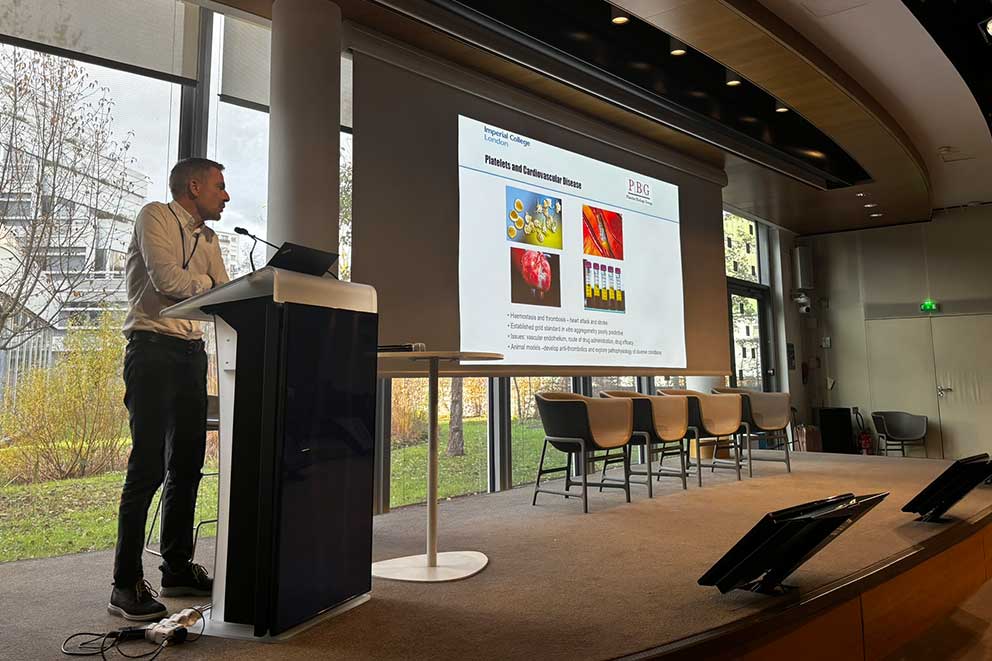
Finally in this session, Mike Emerson presented a refined mouse model for studying cardiovascular disease, focusing on reducing animal suffering while delivering more robust scientific results. Traditional methods involve using thromboembolic mortality models which cause severe suffering in mice. To address this, Mike and his team developed an alternative approach using real-time monitoring of platelet activity in anesthetised mice. This method involves infusing radiolabelled platelets into the bloodstream and tracking their activity in the lungs after introducing clot-inducing agents. This approach reduces suffering from severe to mild while delivering detailed data on platelet function, including on where clots form and the extent of platelet activation. The refined model has been applied in various research areas including demonstrating the impact of inhaled diesel exhaust particles on cardiovascular health and investigating cardiovascular risk in the contexts of HIV and antiretroviral therapy.
Session 4: The Roadmap
Session 4 focused on the RSPCA’s Roadmap to Reducing Severe Suffering, a practical resource designed to help identify and implement refinements to procedures that cause severe suffering in animals. The Roadmap is a structured, step-by-step process that should be undertaken by a multidisciplinary group within an institution, ensuring a range of expertise, experience and perspectives are applied. It addresses three key areas commonly associated with severe suffering: severe disease models, cumulative effects, and mortality. It provides detailed guidance on recognising and refining practices in these areas to improve animal welfare. During the session, participants worked in groups to apply the Roadmap’s steps to a case study, exploring how its recommendations can lead to meaningful refinements. For additional support, the RSPCA offers in-person or online training sessions on using the Roadmap within institutions. For further details or to arrange a session, contact the RSPCA’s Animals in Science team at animalsinscience@rspca.org.uk.
Keynote
The Keynote presentation of the day was presented by Dr. Elisabeth Lucchi, an oncologist specialising in palliative care and medical ethics, who spoke about compassion fatigue in human healthcare. This offered valuable insights that resonated with professionals working with animals used in research causing severe suffering.
Elisabeth described compassion fatigue as a psychological response to prolonged exposure to suffering, with a desire to alleviate it. Dr. Lucchi explained that this phenomenon, often associated with burnout, is particularly common in oncology and palliative care, where professionals regularly face intense emotional stress, such as dealing with terminally ill patients, making difficult ethical decisions about care, and coping with frequent patient deaths. The symptoms of compassion fatigue are wide-ranging and include emotional exhaustion, intrusive thoughts, depression, substance dependency, insomnia, and a sense of hopelessness. Dr. Lucchi cited studies showing that up to 50% of healthcare professionals experience burnout, with 7% struggling with alcohol dependence.
To address compassion fatigue, Dr. Lucchi outlined several approaches. First, it is crucial to identify the issue early and create an environment where professionals feel comfortable discussing their challenges. She recommended the use of tools like the Professional Quality of Life Scale, which measures compassion fatigue, satisfaction, and burnout. Institutions must also recognise the problem and provide adequate managerial support. On an independent level, Dr. Lucchi emphasised the importance of self-care, including regular physical activity, better sleep, improved nutrition, and engaging in cultural or relaxation activities like meditation and self-hypnosis. Psychological support, either through peer discussions or sessions with a psychologist, was also highlighted as an effective remedy.
The challenges faced by healthcare workers in managing the emotional toll of patient care mirror those encountered by researchers and technicians in animal research, particularly when working with animals experiencing severe suffering. Both fields demand high levels of emotional investment and the constant pressure to reduce suffering, which can eventually lead to compassion fatigue if not properly managed.
Day 2: Antibody Production
Tarik Dabdoubi presented an overview of antibody production at Sanofi, focusing on strategies to reduce animal usage while maintaining high-quality drug discovery. He explained Sanofi’s antibody discovery process, which utilises both in vitro and in vivo platforms. In vitro techniques are efficient for screening large antibody libraries, but in vivo platforms, such as transgenic mice, are used for identifying high-affinity antibodies. In vivo methods offer a significantly higher probability of success, especially when affinity is a key factor for therapeutic effectiveness. Tarik also discussed Sanofi’s Integrated Research and Testing Strategy (IRTS), which aims to minimise animal use while meeting scientific and regulatory needs. This approach optimises antibody diversity per animal, allowing the company to reduce the number of individuals required. Sanofi has also enhanced in vitro methods to work in parallel with in vivo approaches, further reducing animal usage. In addition, the company has refined research methods to minimise pain and distress, such as improving immunogen quality control and using less invasive adjuvants. Tarik concluded that Sanofi is aiming to cut animal usage by 50% by 2030 through the IRTS, and to advance “beyond” the 3Rs principles, to implement the most effective and translatable models for scientific research while also maximising the welfare of animals used in the process.
The Role of Animal Welfare Bodies in Avoiding Severe Suffering
Delphine Denais-Lalieve introduced the final session of the meeting centred around “The role of Animal Welfare Bodies (AWB) in avoiding severe suffering in animal research”. Since 2013, AWBs have been mandatory in user establishments in France. In 2019, the French national AWB network, RN-SBEA, was established to support AWBs across France by providing resources, fostering collaboration, and promoting a culture of care. Its activities include mapping AWBs, conducting surveys, publishing guides, and offering training for AWB members. One of their key achievements is the 2024 publication of a comprehensive guide, created with over 50 contributors, which serves as a toolbox for AWB chairs and members. The AWB is required to monitor animal welfare, review the 3Rs principles, and advise on minimising suffering during research. Its role is crucial in severity assessments, ensuring that procedures are appropriate, humane endpoints are set, and that the impact on animal welfare is minimised. Delphine emphasised that the AWB’s involvement is essential at all stages of the research process, from project planning to ongoing monitoring. They help ensure that staff are well-trained, severity assessments are accurate, and that the 3Rs principles are consistently applied. Additionally, the 9 The Role of AnimalWelfare Bodies in Avoiding Severe Suffering AWB’s oversight aids in the continuous improvement of procedures and the collection of information for retrospective assessment. The AWB, therefore, plays a vital role in maintaining high ethical standards and reducing severe suffering in animal research.
During the following discussion in plenary on the role of Animal Welfare Bodies in reducing and avoiding severe suffering, it was highlighted that effective communication between researchers and AWB members is essential. Researchers should be encouraged to meet in person to present their projects to the AWB. There is often insufficient interaction between AWB members, researchers, and animal caretakers. Some participants found that regular engagement with investigators leads to easier identification, and application, of refinements. An efficient harm-benefit analysis is also key to ensuring that severe suffering is avoided unless absolutely necessary, with refinements in place to reduce suffering as much as possible. Some establishments also have specific local principles, such as prohibiting severe suffering in studies on anxiety and depression. Additionally, some establishments choose to conduct retrospective reviews of moderate studies to ensure ongoing scrutiny of moderate suffering.
The discussion on "what more could be done" focused on several ways to encourage greater reductions in severe suffering through effective collaboration and communication. It was suggested that the RSPCA Roadmap could be implemented within establishments to tackle severe suffering. Retrospective assessments of projects involving severe procedures should be valued and published, as they are often not shared or updated in non-technical summaries, which is not currently required in France. Improved communication between all parties involved in animal research was highlighted as a key area for progress, with a focus on better training for researchers and AWB members regarding refinements, analgesia protocols, and improved surgical models. A proposed solution was the creation of a database to share refinements, which could help reduce severity within specific models. The importance of having a ‘mediator’ or negotiator was also mentioned, as this can bridge communication gaps between AWBs and researchers. The AWB can also create an open, supportive environment to improve animal welfare, and processes involving new students in AWB meetings can help break down barriers. A recurring issue raised was the challenge of researchers not having the budget for suggested refinements, creating a conflict with the Directive’s requirement to minimise suffering. Some proposed that ethics committees could advocate for more funding or support from funding bodies to enable the implementation of essential refinements.
Closing Day 2 of the meeting, Nicolas Dudoignon presented Sanofi's approach to animal welfare and stated its commitment to high ethical standards in animal research. Sanofi places high importance on social responsibility, recognising public concerns about animal use in science. The company defines its own animal protection principles, approved by its Bioethics Committee, and is committed to openness, transparency, and responsible sourcing of animals. They aim to ensure animal welfare through a culture of care program, third-party accreditation of animal care at all sites, and pre-approval of external partners. Sanofi's Integrated Research & Testing Strategy (IRTS) promotes science-driven innovation for patient benefit, while also advancing 3Rs-driven science to reduce animal use. This strategy underlines the importance of challenging the validity of animal models and prioritising non-animal methodologies (NAMs) as they develop. Sanofi's ultimate goal is to reduce animal use by 50% by 2030, emphasising the role of NAMs in supporting this reduction.
Action points
Procedure-related
- For each individual study, develop clear and specific criteria for welfare assessment and humane endpoints. For example, in cancer studies this would include tumour growth and location, pain, body condition and overall well-being.
- Use the OBSERVE guidelines to help refine in vivo cancer studies.
- Regularly review surgical practice, to ensure that invasiveness and tissue damage are minimised, and the surgical approach is optimised to reduce suffering.
- Ensure that post-operative care and support are optimal, including pain management, wound care, and thermal and nutritional support.
- Improve the animals’ quality of life by providing appropriate environmental enrichment, social opportunities, and a good quality and quantity of space.
- Use refined capture and handling techniques to reduce stress and anxiety.
- Be open to using digital technologies to continuously monitor animal welfare, especially during nocturnal periods.
- Use the RSPCA Roadmap at the project design stage, to review and refine the animals’ whole life experiences including procedures, housing and husbandry and all the other factors listed above.
- If creating or using monoclonal antibodies produced by the ascites method, ensure that you maintain good awareness of initiatives to reduce and replace this use of animals, and transition to alternative production methods that cause less, or no, suffering as soon as you can.
Animal Welfare Body-related*
- Encourage regular and open communication between AWB members, researchers, the attending veterinarian(s) and animal technologists and care staff.
- Connect and collaborate with other AWBs to share best practices and resources, e.g. by joining and supporting a national network if there is one in your country.
- Enable training for AWB members and researchers on animal welfare and the 3Rs.
- Regularly review projects involving severe protocols to identify problem areas or refinements, encouraging a culture of continuous improvement.
- Help the establishment to develop clear guidelines for severity assessments and humane endpoints.
- Ensure that AWBs are involved in project planning, beginning with the initial stages.
- Review internal processes to help staff experiencing compassion fatigue and ensure that these are adequate.
*These actions also apply to other animal ethics or care and use committees, such as AWERBs, IACUCS and AECs.